

Artificial Intelligence (AI) is reshaping modern applications through automation, predictive analytics, and intelligent decision-making. Learn how AI works, its benefits, and real-world use cases.
Artificial Intelligence (AI) is one of the most transformative technologies of the modern era. It enables machines and software systems to mimic human intelligence, learn from data, and make decisions with minimal human intervention. From mobile apps and websites to enterprise systems, AI is playing a crucial role in improving efficiency, accuracy, and user experience.
What Is Artificial Intelligence?
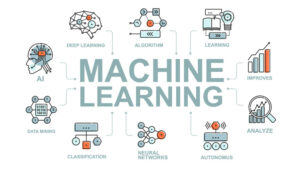
Artificial Intelligence refers to the simulation of human intelligence in machines that are programmed to think, learn, and adapt. AI systems use algorithms, data, and computational power to perform tasks such as problem-solving, pattern recognition, and language understanding. Technologies like machine learning, deep learning, and natural language processing are core components of AI.
Role of AI in Software and Application Development
AI enhances application development by automating repetitive tasks, improving code quality, and enabling intelligent features. Developers integrate AI into applications for chatbots, recommendation engines, image recognition, and voice assistants. AI-powered tools also help in testing, debugging, and performance optimization.
Key Benefits of Artificial Intelligence
AI improves operational efficiency by automating processes and reducing manual effort. It enhances user experience through personalization and real-time responses. AI also enables data-driven decision-making by analyzing large datasets and identifying trends that humans may miss.
Real-World Applications of AI
Artificial Intelligence is widely used across industries. In healthcare, AI assists in disease detection and medical imaging analysis. In finance, it helps detect fraud and automate trading. E-commerce platforms use AI for personalized recommendations, while customer support systems rely on AI chatbots for 24/7 assistance.
AI and Cloud Computing
Cloud platforms provide the infrastructure needed to deploy AI at scale. Cloud-based AI services allow businesses to build and deploy intelligent applications without managing complex hardware. This combination of AI and cloud computing accelerates innovation and reduces development costs.
Challenges in Adopting AI
Despite its benefits, AI adoption comes with challenges such as data privacy concerns, high implementation costs, and the need for skilled professionals. Ethical considerations and bias in AI models also require careful attention to ensure responsible usage.
Future of Artificial Intelligence
The future of AI lies in autonomous systems, intelligent automation, and human-AI collaboration. As AI continues to evolve, it will become more accessible, transparent, and integrated into everyday applications, driving innovation across industries.
“Artificial Intelligence is redefining how applications are built and used. By enabling smarter, faster, and more personalized experiences, AI is shaping the future of technology. Businesses that adopt AI-driven solutions can gain a competitive edge and stay ahead in the digital era.”
Benefits of Artificial Intelligence (AI)
Automation and Increased Efficiency
AI automates repetitive and time-consuming tasks, allowing businesses to focus on strategic activities. Automated workflows reduce manual errors, speed up operations, and increase overall productivity across departments.
Data-Driven Decision Making
AI analyzes large volumes of data quickly and accurately. By identifying patterns and trends, AI helps organizations make informed decisions, predict outcomes, and optimize business strategies with greater confidence.
Enhanced Customer Experience
AI-powered solutions such as chatbots, virtual assistants, and recommendation systems provide personalized and real-time interactions. This improves customer satisfaction, engagement, and retention while offering 24/7 support.
Improved Accuracy and Reduced Human Error
AI systems perform tasks with high precision by following defined algorithms and learning from data. This reduces the chances of errors, especially in critical applications like healthcare, finance, and data analysis.
Cost Reduction and Resource Optimization
By automating processes and optimizing workflows, AI helps businesses reduce operational costs. Efficient resource utilization minimizes waste and improves return on investment over time.
Scalability and Faster Growth
AI-powered systems can easily scale to handle increased workloads without a proportional increase in cost or manpower. This allows businesses to grow faster and adapt to changing demands.
Advanced Security and Fraud Detection
AI enhances security by detecting unusual patterns and potential threats in real time. It is widely used in fraud detection, cybersecurity monitoring, and risk assessment to protect sensitive data.






Add comment